OPERALAB: Opera as a living laboratory
Tue, Jun 9, 2026
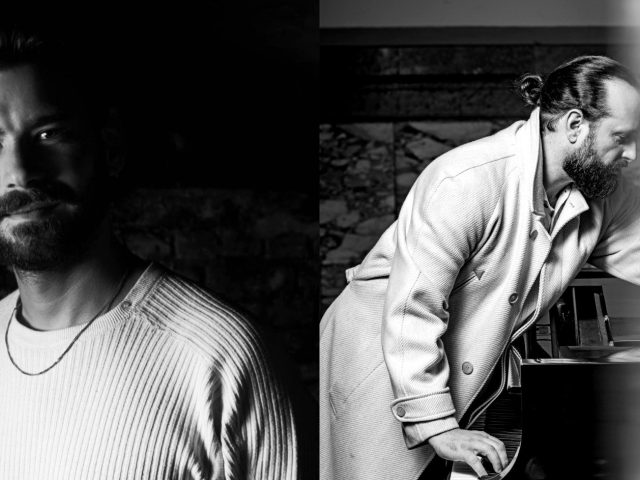
Under the guidance of director Leon Rogissart and singer and coach Peter Tantsits, Operalab becomes a place where artists are encouraged to explore, experiment, and take risks. Not behind the closed doors of a rehearsal room, but in direct connection with an audience.
“The idea of a lab really appeals to me,” says Rogissart. “It evokes a place where you are free to search, try things out, and experiment. I hope to create a performance in which you are not observing from a safe distance, but are drawn into the emotions, desires, and conflicts hidden within the music and the characters.”
Tantsits also sees this as the core value of Operalab. “For me, there is no opera without expression and innovation,” he says. “Opera is expensive. That means we have a responsibility to use public resources and each other’s time with care. What we create must matter. It must contribute to the development of the art form. Otherwise, in my view, it is not worth doing.” For him, Operalab is a place to test expressive and innovative techniques under what he calls “battle conditions”: not in the privacy of a rehearsal room, but in front of an audience. This applies not only to the artists on stage, but also to the coaches who guide them.
Close to the Essence
Operalab is not about spectacle, but about attention. What happens when you strip a scene down to what is truly necessary? For Rogissart, imagination emerges precisely in the space that is left open.
“What appears on stage does not need to explain everything. I like to think of a stage as a canvas onto which the audience can project their own associations, memories, and emotions.” – Leon Rogissart
That approach aligns closely with how Tantsits views opera. For him, the power of opera does not come from scale, but from connection. A small space can be just as intense as a grand opera house, as long as artists and audience find themselves sharing the same tension. Opera thus becomes a shared experience: someone trying to tell something to someone else. A thought is given sound. An emotion becomes visible.
Repertoire That Challenges
The young singers and pianists themselves helped shape the choice of repertoire. Tantsits and the coaches selected pieces that challenge them vocally, musically, and dramatically. Many of the arias and scenes take place at turning points: just before or during an emotional climax. In a full opera, the audience gradually builds toward such a moment. In Operalab, that intensity often appears immediately. This makes the material vulnerable, demanding, and exciting.
For Rogissart, Operalab is also a personal journey of discovery. He is exploring new repertoire, delving into stories, and working with the students to uncover what makes these characters human, relatable, and relevant today. Tantsits emphasizes that no one opted for the safe route. The repertoire is new to the artists and is being tackled at the end of an intensive academic year. What they discover here will become part of their artistic journey moving forward.
For Connoisseurs and Curious Newcomers
Opera lovers can look forward to an evening of arias and scenes from a wide range of works, including repertoire that is rarely performed. But Operalab is not only for seasoned opera enthusiasts.
For those less familiar with opera, this project offers an accessible introduction to the genre. You do not need to be an expert to be moved by longing, grief, anger, love, or hope. These emotions flow through the music and remain just as recognizable today as they were when the works were first written.
OPERALAB#2 invites you to experience opera up close: human, vulnerable, and immediate. Not as a museum piece, but as a living laboratory.


