HADEWIJCH
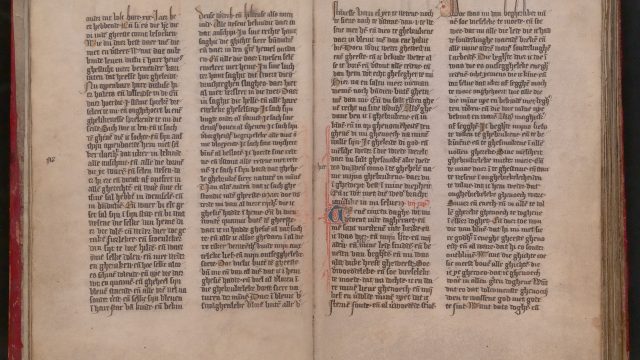
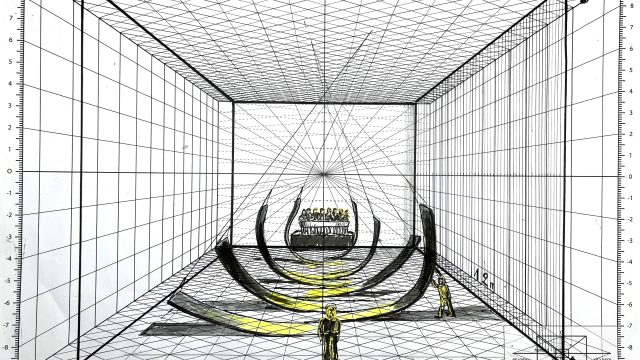
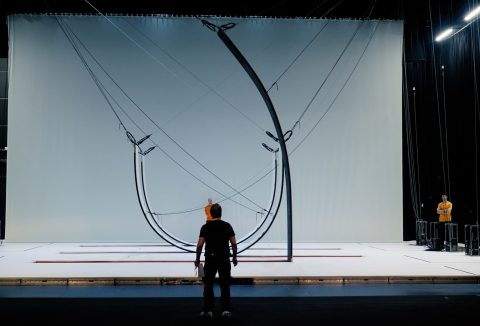
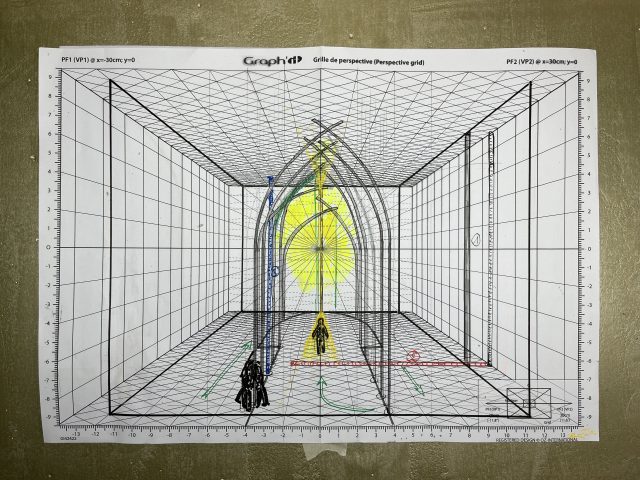
In the second part, Andriessen uses just one text, and what a text it is: the seventh vision of Hadewijch of Antwerp. She was a 13th-century mystic, the most important writer in our Middle Dutch literature. In her vision, sung by a soprano and the chorus, she vividly describes how she had an encounter with God. He revealed Himself to her in various guises. Hadewijch experienced this so physically and lovingly that an unmistakable, if not to say torrid erotic tension emanates from the vision. Andriessen therefore imagined the second part of De Materie as something halfway between a mystical ascent and the union of two lovers. In his imagination, it looked like this. Slowly, step by step, Hadewijch shuffles forward through a church. Gradually, the reality around her – the world, the church, her own physicality – tries time and again to bring her back down to earth, but Hadewijch becomes increasingly absorbed in her experience. When she reaches the altar and arrives at the climax of her vision, music sounds that is simply heavenly: almost weightless, mysterious and unprecedentedly beautiful. According to conductor Bas Wiegers – and many will agree with him – the most beautiful notes Andriessen has ever written.